Why Freezing Food Is a Smart Kitchen Habit
Freezing is more than just a way to store leftovers. It helps you buy in bulk, take advantage of sales, and preserve seasonal produce. Many people search for the best foods to freeze because they want to cut down on grocery trips and avoid throwing away spoiled ingredients. When done correctly, freezing locks in nutrients and flavor for weeks or even months. It is a practical skill that fits any budget or lifestyle.
Whether you are meal-prepping for a busy week or trying to use up a bumper crop of tomatoes, knowing what freezes well saves time and money. The key is to understand which foods maintain their texture and taste after thawing.
Top Vegetables That Freeze Well
Vegetables are among the best foods to freeze, but they often need a quick blanch first. Blanching stops enzyme actions that cause loss of flavor and color. Here are some top choices:
- Broccoli and cauliflower: Blanch for 2–3 minutes, then plunge into ice water. Freeze in single layers on a tray before bagging.
- Spinach and kale: Blanch for 1 minute, squeeze out excess water, and pack flat. Great for smoothies and soups.
- Bell peppers: No blanching needed. Just wash, slice, and freeze on a tray. Use directly in stir-fries.
- Corn: Blanch whole ears for 4 minutes, cut off kernels, and freeze in bags.
- Carrots and green beans: Blanch for 2–3 minutes and freeze in portion sizes.
Avoid freezing watery vegetables like lettuce, cucumber, or radishes, as they turn mushy. Also, frozen vegetables are best used in cooked dishes rather than raw salads.
Fruits That Keep Their Flavor in the Freezer
Frozen fruit is a staple for smoothies, baking, and sauces. The best foods to freeze in the fruit category are those with low water content or that you plan to cook. Here is what works:
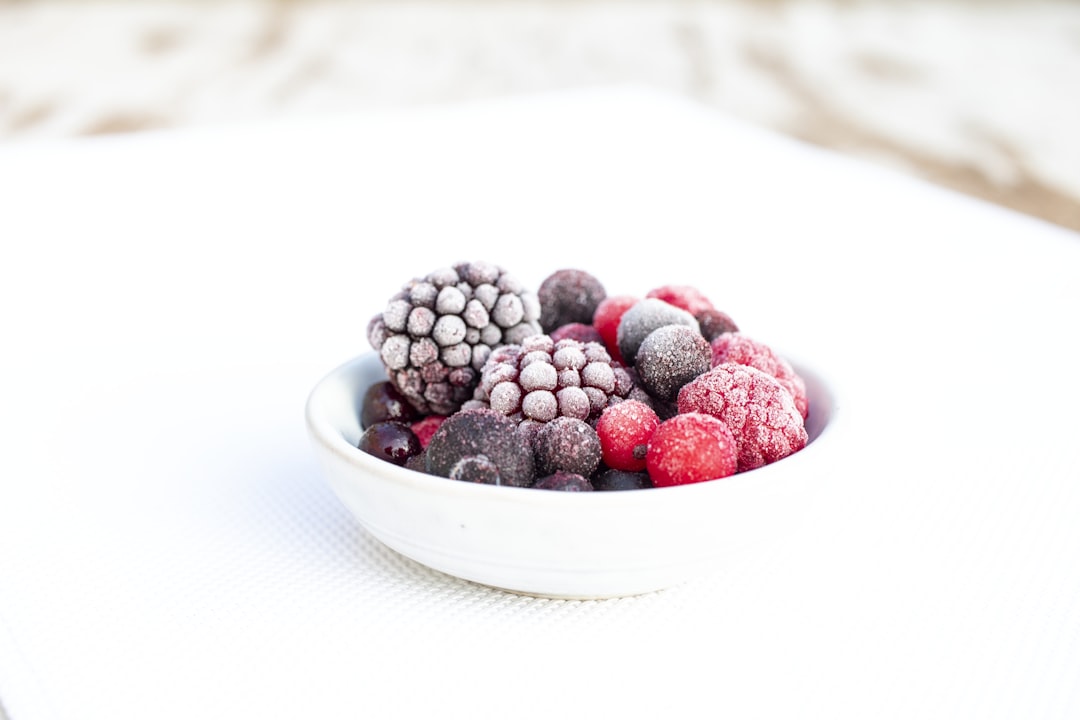
- Berries (strawberries, blueberries, raspberries): Wash and dry thoroughly. Freeze in a single layer to prevent clumping.
- Bananas: Peel, slice, and freeze in bags. Perfect for smoothies or banana bread.
- Mango and pineapple: Cube and freeze on a tray. Use for tropical smoothies or desserts.
- Peaches and nectarines: Slice and toss with a little lemon juice to prevent browning. Freeze in syrup or dry.
- Grapes: Freeze whole for a refreshing snack or to chill drinks.
Most frozen fruits are best used within six months. For best texture, thaw them in the refrigerator or use them directly in recipes without thawing.
Meat, Poultry, and Fish: Safe Freezing Practices
Protein is one of the most common categories when people look for the best foods to freeze. Raw meat, poultry, and fish freeze exceptionally well if handled correctly. Follow these tips:
- Portion before freezing: Divide ground meat, chicken breasts, or fish fillets into meal-sized portions. Wrap tightly in plastic wrap, then foil, or use freezer bags.
- Remove as much air as possible: Air causes freezer burn. Use a vacuum sealer if available, or press out air from zip-top bags.
- Label everything: Write the date and type of meat. Most raw meat stays good for 4–12 months, but ground meat is best within 3–4 months.
- Freeze cooked meat too: Cooked chicken, beef, or meatballs freeze well for quick meals. Just cool completely before packing.
Avoid freezing meat in its store packaging for long periods. That thin plastic wrap lets air in. Always re-wrap or bag for longer storage. Thaw in the refrigerator, not on the counter, to stay safe.
Dairy and Eggs: What Works and What Does Not
Dairy can be tricky, but some items are among the best foods to freeze. Here is a breakdown:
- Butter: Freezes beautifully. Keep it in its original box or wrap tightly. Use within 6–9 months.
- Cheese: Hard cheeses like cheddar, Parmesan, and mozzarella freeze well. Grate or slice first for easy use. Soft cheeses like cream cheese or ricotta may become grainy but still work in cooked dishes.
- Milk: Freeze in small containers. Leave room for expansion. Thaw in the fridge and shake well before using. Best for cooking or baking, not drinking fresh.
- Eggs: Do not freeze eggs in their shells. Beat them lightly, pour into ice cube trays, and freeze. Once solid, transfer to a bag. Use thawed eggs for scrambled eggs or baking.
Yogurt and sour cream generally do not freeze well due to texture changes. If you must freeze them, use them in sauces or smoothies.
Grains, Bread, and Baked Goods
Freezing bread and grains is a lifesaver for busy households. These are some of the best foods to freeze for quick breakfasts and lunches:
- Bread and rolls: Freeze whole loaves or slices. Toast directly from frozen. Wrap tightly to avoid drying out.
- Cooked rice and quinoa: Spread cooked grains on a tray to cool. Freeze in flat bags. Reheat in the microwave or skillet.
- Pancakes and waffles: Cook, cool, and freeze in a single layer. Pop them in the toaster for a quick breakfast.
- Cookie dough: Scoop into balls and freeze on a tray. Store in a bag and bake directly from frozen, adding a couple of minutes to the bake time.
- Muffins and scones: Freeze individually wrapped. Thaw at room temperature or microwave for 20 seconds.
For best quality, use frozen baked goods within 1–3 months. Always cool items completely before freezing to prevent ice crystals.
Common Mistakes to Avoid When Freezing Food
Even with the best foods to freeze, mistakes can ruin texture and flavor. Here are common errors to watch for:
- Freezing too much at once: Overloading the freezer slows down the freezing process, which can affect quality. Freeze in small batches.
- Not cooling food first: Putting hot food in the freezer raises the temperature inside and can cause other items to partially thaw. Always cool to room temperature first.
- Using the wrong containers: Glass jars can crack unless they are freezer-safe. Plastic containers should be airtight. Leave headspace for liquids to expand.
- Forgetting to label: Frozen food looks similar. Without labels, you may end up with mystery items. Use a marker and masking tape or labels.
- Keeping food too long: Frozen food does not spoil, but quality declines. Use a first-in, first-out system to rotate older items.
How to Thaw and Use Frozen Foods Safely
Knowing how to handle frozen food is just as important as knowing the best foods to freeze. Safe thawing prevents bacterial growth and keeps food tasty. Here are your options:
- Refrigerator thawing: The safest method. Plan ahead—large items like a whole chicken may take 24 hours. Small items thaw overnight.
- Cold water thawing: Submerge the sealed bag in cold water, changing the water every 30 minutes. Cook immediately after thawing.
- Microwave thawing: Use the defrost setting, but cook the food right away since some areas may begin to cook.
- Direct cooking: Many frozen vegetables, fruits, and even meat can go straight into the oven or pot. Adjust cooking time by about 50%.
Never thaw food on the counter at room temperature. This creates a risk of bacterial growth. Also, do not refreeze raw meat that has been fully thawed unless it is cooked first.
Frequently Asked Questions
Can you freeze cooked pasta or rice?
Yes, both freeze well. Cook them al dente (slightly firm), cool quickly, and freeze in portion-sized bags. Reheat by adding a splash of water and microwaving or stir-frying. The texture may soften slightly, so they are best used in soups, casseroles, or stir-fries.
How long can you keep frozen food in the freezer?
Quality varies by food. Most vegetables and fruits last 8–12 months. Meat and poultry last 4–12 months depending on fat content (leaner cuts last longer). Baked goods are best within 1–3 months. Always check for freezer burn if stored longer.
Is it safe to freeze food in glass jars?
Yes, but only if the jars are labeled as freezer-safe. Leave at least an inch of headspace for liquids to expand. Avoid filling jars to the brim. Wide-mouth jars are less likely to crack than narrow ones.
Can you freeze milk and cream?
Milk freezes well for cooking and baking. Cream with high fat content (heavy cream) freezes better than light cream. Thaw in the refrigerator and shake well. The texture may separate slightly, so it is not ideal for drinking but works in recipes.
What foods should you never freeze?
Some foods do not freeze well due to texture changes. Avoid freezing eggs in shells, raw salad greens, cucumbers, radishes, watermelon, creamy sauces (may curdle), and soft cheeses like brie or cottage cheese (unless used in cooking). Fried foods also lose their crispness.
Related Searches
- vegetables that freeze well without blanching
- how to freeze fresh herbs for later use
- freezer meal prep ideas for busy weeks
- best containers for freezing food
- how long does frozen chicken last in the freezer
- can you freeze cheese and milk together
- freezing soups and stews for quick dinners
- tips for organizing a deep freezer