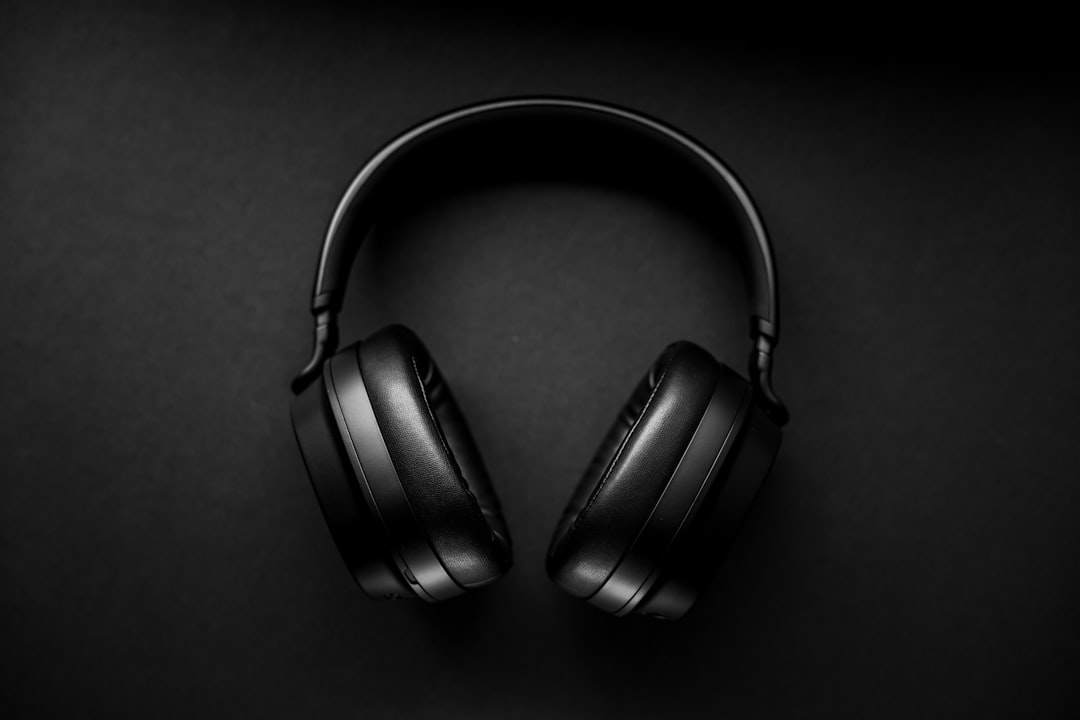
What Is Noise Cancellation and How Does It Work?
Noise cancelling headphones use technology to reduce unwanted ambient sounds. There are two main types: passive noise isolation and active noise cancellation (ANC). Passive isolation relies on the physical design of the ear cups or ear tips to block sound. ANC uses built-in microphones to detect external noise and then generates an opposite sound wave to cancel it out.
Most modern headphones combine both methods. This allows you to hear your music or podcasts clearly without turning the volume too high. Keep in mind that noise cancellation is most effective on constant, low-frequency sounds like airplane engines or air conditioning hums. It may not completely block sudden, sharp noises like a dog barking or someone talking nearby.
Why Do People Search for a Noise Cancelling Headphones Guide?
Many people look for a noise cancelling headphones guide because they want peace and focus in noisy environments. Common reasons include:
- Blocking out office chatter during remote work
- Enjoying music or podcasts on public transport
- Reducing fatigue during long flights or commutes
- Improving sleep quality in shared spaces
- Helping with concentration while studying or reading
Understanding your primary use case will help you choose the right features. For example, a frequent flyer may prioritize battery life and comfort, while an office worker might value transparency mode for hearing colleagues.
Key Features to Consider in Your Noise Cancelling Headphones Guide
When reading any noise cancelling headphones guide, pay attention to these important factors:
- Active Noise Cancellation (ANC) quality: Not all ANC is the same. Some headphones offer adjustable ANC levels or adaptive modes that change based on your environment.
- Battery life: Most wireless ANC headphones offer 20 to 40 hours of playback. Wired options do not require charging but may lack ANC.
- Comfort and fit: Over-ear models are generally more comfortable for long sessions, while in-ear options are more portable.
- Sound quality: Look for balanced audio with clear mids, crisp highs, and decent bass. Some models allow EQ adjustments via an app.
- Transparency or ambient mode: This feature lets outside sound in when you need to hear announcements or have a quick conversation.
- Connectivity: Most modern headphones use Bluetooth 5.0 or higher. Multipoint connection lets you switch between two devices easily.
Your budget will also influence your options. Prices range from under $50 to over $300. Higher price does not always guarantee better performance, so read reviews and compare specifications.
Common Requirements and Eligibility Factors
There are no universal requirements for using noise cancelling headphones, but some factors may affect your experience:
- Device compatibility: Most headphones work with smartphones, tablets, laptops, and gaming consoles. Check if your device supports the Bluetooth version or if you need a wired connection.
- Firmware updates: Some brands require app installations for updates and feature adjustments. Requirements may apply for accessing advanced settings.
- Ear size and shape: In-ear models come with multiple tip sizes. Over-ear models vary in clamping force and ear cup depth. Results are not guaranteed for every head shape.
- Hearing sensitivity: Some users may experience a feeling of pressure or dizziness with ANC. Options may vary by brand and model.
If you are buying for a child or someone with small ears, consider models designed for smaller heads or with adjustable headbands. Check your status regarding return policies and warranty coverage before purchasing.
How to Check Available Options and Compare Models
To find the best noise cancelling headphones for your needs, follow these steps:
- Read professional reviews: Look for reviews from trusted tech websites that test ANC performance in real-world conditions.
- Watch video comparisons: YouTube reviews often show microphone tests, ANC demos, and comfort comparisons.
- Visit retail stores: If possible, try headphones in person to check fit and sound quality. Some stores have demo units.
- Check user feedback: Look at customer reviews on retailer sites, but be aware that experiences may differ.
- Compare specifications: Use comparison tools on shopping sites to see battery life, weight, and features side by side.
Remember that results are not guaranteed to match every user’s expectations. Your personal experience may depend on your environment and preferences.
Common Mistakes to Avoid When Buying Noise Cancelling Headphones
Many buyers make these mistakes when following a noise cancelling headphones guide:
- Ignoring comfort: The best ANC in the world is useless if the headphones hurt after 30 minutes. Prioritize lightweight designs and plush padding.
- Focusing only on price: Expensive does not always mean better. Some mid-range models offer excellent ANC and sound quality.
- Overlooking battery life: Wireless ANC drains battery faster than standard Bluetooth. If you travel often, choose a model with at least 30 hours of playback.
- Assuming all ANC is the same: Basic ANC may not block low-frequency noise as effectively as premium adaptive ANC. Options may vary by brand.
- Neglecting the microphone quality: If you take calls often, check that the microphone filters out background noise. Some headphones have poor call quality despite good music performance.
Taking your time and testing options before buying will help you avoid these pitfalls.
What to Do Next After Reading This Guide
Once you have a better understanding of noise cancelling headphones, your next steps are simple:
- Define your budget: Decide how much you are willing to spend. Remember that sales and discounts are available in some areas.
- List your must-have features: Write down the top three features you need, such as long battery life, good ANC, or comfortable fit.
- Read user experiences: Look for forums or subreddits where real users share their experiences with specific models.
- Make a shortlist: Pick two or three models that match your criteria. Compare them side by side.
- Purchase from a trusted retailer: Choose a seller with a good return policy in case the headphones do not meet your expectations.
Keep in mind that requirements may apply for warranties and returns, so read the fine print. There is no single best pair for everyone, but with this guide, you are better prepared to find yours.
Frequently Asked Questions
Do noise cancelling headphones block all sound?
No. Noise cancelling technology is most effective against constant, low-frequency sounds like engine hum or fan noise. It is less effective against sudden, high-pitched sounds like alarms or human voices. Passive isolation helps with higher frequencies, but complete silence is not guaranteed.
Can I use noise cancelling headphones without music?
Yes. Many people use ANC headphones simply to reduce background noise in quiet environments. This can help with focus or relaxation. Just turn on the ANC feature without playing audio. Battery life may still drain, depending on the model.
Are noise cancelling headphones safe for my hearing?
When used responsibly, they are safe. In fact, they may protect your hearing by allowing you to listen at lower volumes in noisy places. However, prolonged use at high volumes can still damage hearing. Take breaks and keep volume at safe levels. Check your status regarding hearing health if you have concerns.
Do wireless noise cancelling headphones work with all devices?
Most wireless headphones use Bluetooth and work with any Bluetooth-enabled device, including smartphones, tablets, laptops, and some TVs. Some features like app control or multipoint connection may only work with specific operating systems. Wired models usually work with any device that has a headphone jack.
How long do noise cancelling headphones typically last?
Battery life varies widely. Many wireless models offer 20 to 40 hours of playback with ANC on. Wired models do not rely on batteries for audio, but some require charging for ANC. The physical lifespan of headphones depends on build quality and care. Results are not guaranteed, but reputable brands often last several years with proper maintenance.
Related Searches
- best budget noise cancelling headphones 2025
- over ear vs in ear noise cancelling headphones
- noise cancelling headphones for flying
- wireless noise cancelling headphones for work
- do noise cancelling headphones cause headaches
- noise cancelling headphones vs earplugs for sleep
- affordable ANC headphones with good battery life
- how to test noise cancelling headphones before buying