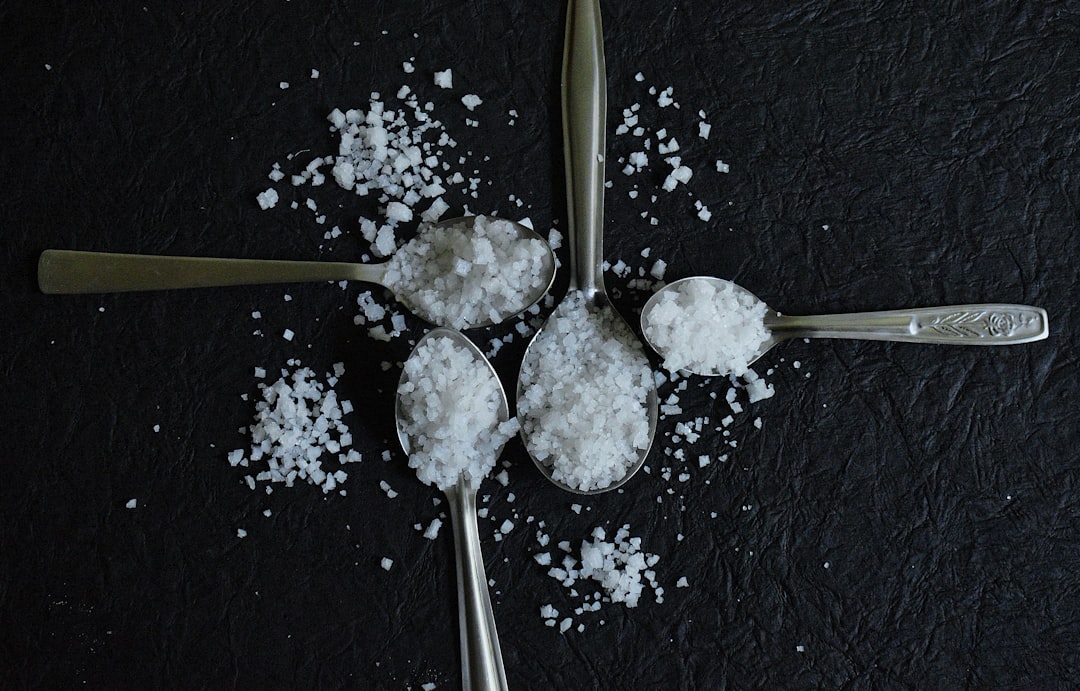
Why Reducing Sodium Matters in Everyday Cooking
Excess sodium is a common concern in many diets, often coming from processed foods and added table salt. When you cook at home, you have more control over how much salt goes into your food. Reducing sodium can be a helpful step for those looking to maintain balanced eating habits, though individual needs may vary. By learning how to reduce sodium in cooking, you can make meals that align better with your health goals without relying on bland ingredients.
Many people search for this topic because they have been advised by a doctor or family member to watch their salt intake. Others simply want to feel less bloated or more energetic. Whatever your reason, small changes in the kitchen can make a noticeable difference over time.
Start with Fresh Ingredients Instead of Processed Ones
One of the most effective ways to lower sodium is to choose fresh or frozen whole foods over canned, boxed, or pre-seasoned items. Processed foods often contain hidden salt to preserve texture and extend shelf life. For example, a single cup of canned soup can contain more than half of the daily recommended sodium intake for some adults.
- Use fresh vegetables or frozen varieties without added sauces or seasonings.
- Choose fresh poultry, fish, and lean meats instead of deli meats or pre-marinated cuts.
- Opt for dried beans and lentils, which you can soak and cook yourself, instead of canned versions.
- Read nutrition labels on packaged items to compare sodium levels between brands.
When you start with ingredients that are naturally low in sodium, you have more room to add flavor through spices and herbs later. This approach is a core part of how to reduce sodium in cooking effectively.
Use Herbs, Spices, and Aromatics for Flavor
Salt is not the only way to make food taste good. Many cooks discover that herbs, spices, and aromatics like garlic, onion, and ginger can create deep, satisfying flavors. Learning to season without salt is a skill that improves with practice.
- Try fresh or dried basil, oregano, rosemary, thyme, or dill with vegetables and meats.
- Use citrus juice (lemon, lime, orange) or vinegar (balsamic, apple cider, red wine) to brighten dishes.
- Add heat with black pepper, cayenne, chili flakes, or smoked paprika.
- Toast whole spices like cumin seeds or coriander seeds in a dry pan before grinding to release their oils.
Experimenting with these ingredients can help you find new favorite flavor combinations. Many people are surprised by how much taste they can get without adding a pinch of salt.
Rinse Canned Foods to Remove Excess Sodium
If you rely on canned beans, vegetables, or tuna for convenience, rinsing them under cold water can wash away a significant amount of added salt. Research suggests that draining and rinsing canned beans can reduce sodium by up to 40 percent. This simple step is an easy part of how to reduce sodium in cooking when time is limited.
For canned vegetables like corn or peas, look for "no salt added" versions when available. If you cannot find them, rinsing remains a practical workaround. Keep in mind that rinsing may also remove some water-soluble vitamins, but the trade-off is often worth it for lower sodium intake.
Adjust Salt Gradually in Your Recipes
Your taste buds can adapt to less salt over time, but it helps to make changes slowly. If you cut salt drastically all at once, food may taste flat. Instead, reduce the amount of salt in a recipe by one-quarter or one-half and see how it feels.
- When a recipe calls for one teaspoon of salt, start with three-quarters or half a teaspoon.
- Taste your food before adding salt at the table, as many dishes already have enough from other ingredients.
- Use salt substitutes like potassium chloride with caution, especially if you have kidney concerns. Check with your doctor if you are unsure.
- Remember that some ingredients like cheese, broth, and soy sauce are naturally high in sodium, so account for them in your total.
Over the course of a few weeks, your sensitivity to salt will likely increase, and you may find yourself needing less to enjoy your meals.
Be Mindful of Hidden Sodium in Condiments and Sauces
Many common condiments are surprisingly high in sodium. Ketchup, soy sauce, salad dressings, and barbecue sauce can add a lot of salt without you noticing. When learning how to reduce sodium in cooking, it helps to look at every ingredient you add.
- Choose low-sodium or reduced-sodium versions of soy sauce, broth, and tomato sauce.
- Make your own salad dressings using oil, vinegar, herbs, and a small amount of mustard or honey.
- Use plain yogurt or mashed avocado as a base for dips instead of store-bought options.
- Limit the amount of salty cheese you add to dishes, or use stronger-flavored cheeses like Parmesan in smaller amounts.
Reading labels on condiment bottles can reveal surprising numbers. Even a single tablespoon of some sauces can contain several hundred milligrams of sodium.
Cook More Meals from Scratch to Control Sodium
Pre-made meals, frozen dinners, and restaurant food often contain high levels of sodium to boost taste and preserve freshness. When you cook from scratch, you decide exactly what goes into your food. This is one of the most reliable ways to manage your salt intake.
Start with simple recipes that use whole ingredients. For example, a homemade tomato sauce using crushed tomatoes, garlic, onion, and basil can have far less sodium than a jarred version. Similarly, homemade soups using low-sodium broth and fresh vegetables give you full control over the final salt content.
Batch cooking on weekends can help you stick to low-sodium habits during busy weekdays. Store individual portions in the fridge or freezer so you always have a healthier option available.
Common Mistakes to Avoid When Cutting Salt
Even with good intentions, some approaches to reducing sodium can backfire. Being aware of these pitfalls can help you stay on track.
- Relying too much on salt substitutes: Some products replace sodium with potassium, which may not be suitable for everyone, especially those with certain medical conditions.
- Adding salt at the table without tasting first: Many dishes already have enough salt from cooking, and adding more can push your intake too high.
- Ignoring sodium in drinks: Some vegetable juices, sports drinks, and flavored waters contain added salt. Check labels if you are watching your intake.
- Thinking "no added salt" means sodium-free: Foods like milk, celery, and beets naturally contain small amounts of sodium, which can add up over the day.
Avoiding these mistakes can make your efforts to reduce sodium more effective and sustainable.
What to Do Next: Build a Low-Sodium Kitchen Habit
Start by making one or two changes at a time. For example, try rinsing canned beans for a week, then experiment with a new herb blend the following week. Small, consistent steps are easier to maintain than a complete overhaul of your cooking style.
Keep a small notebook or use a note app to track which swaps work well for you and your family. You may also want to explore cookbooks or websites focused on heart-healthy or low-sodium recipes for more inspiration. Remember that results are not guaranteed for everyone, but many people find that reducing sodium helps them feel more in control of their diet.
If you have specific health concerns, talk to a healthcare professional about what sodium level is right for you. Requirements may vary based on age, activity level, and medical history. Checking your status with a doctor or dietitian can provide personalized guidance.
Frequently Asked Questions
How much sodium should I aim for per day?
General dietary guidelines suggest limiting sodium to less than 2,300 milligrams per day for most adults. Some people, such as those with high blood pressure, may benefit from a lower target like 1,500 milligrams. Your specific needs may vary, so it is best to check with a healthcare provider.
Can I use sea salt or pink salt instead of table salt to reduce sodium?
Sea salt and pink salt have a similar sodium content to table salt by weight. The main difference is that they may contain trace minerals and have a different texture. If you use less because the crystals are larger or the flavor is stronger, you might reduce sodium slightly, but the difference is usually small.
Will reducing sodium make my food taste bland?
Not necessarily. Many people find that their taste buds adjust within a few weeks. Using herbs, spices, citrus, and vinegar can add plenty of flavor. Over time, foods that once tasted normal may start to taste too salty, making the lower-sodium versions more enjoyable.
Is it safe to use potassium-based salt substitutes?
Potassium chloride salt substitutes can be helpful for some people, but they are not safe for everyone. Individuals with kidney disease, heart conditions, or those taking certain medications should talk to their doctor before using them. Too much potassium can be harmful in some cases.
Do I need to avoid all high-sodium foods completely?
No, you do not need to eliminate all high-sodium foods. The goal is usually to reduce overall intake, not to remove every source of salt. Enjoying a small amount of cheese, cured meat, or salty snack occasionally is fine for most people, as long as the rest of your diet is balanced.
Related Searches
- low sodium meal ideas for beginners
- best herbs to replace salt in cooking
- how to lower blood pressure with diet
- low sodium grocery list printable
- salt free seasoning blends recipes
- heart healthy cooking tips without salt
- sodium content in common foods chart
- easy low sodium dinner recipes for family