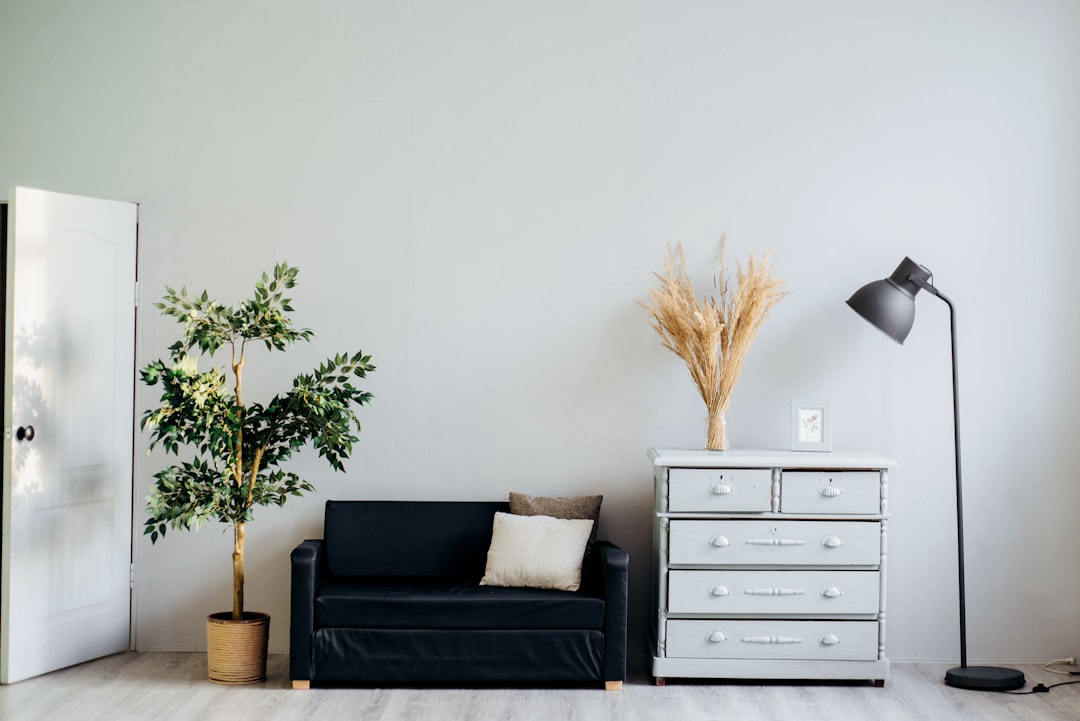
What Is Minimalist Living?
Minimalist living is a lifestyle that focuses on reducing excess—whether that’s physical possessions, digital distractions, or time commitments. The goal is to keep only what adds value to your life. It’s not about deprivation; it’s about intentionality.
Many people turn to minimalism to reduce stress, save money, and find more time for relationships and hobbies. By cutting back on what you don’t need, you create space for what you truly enjoy.
Why People Search for Minimalist Living Tips
Modern life is full of constant notifications, overflowing closets, and packed calendars. People search for minimalist living tips because they feel overwhelmed and want a simpler way to manage their home, finances, and mental health.
Common reasons include:
- Feeling stressed by clutter at home
- Wanting to save money by buying less
- Seeking more time for family or personal interests
- Reducing environmental impact through mindful consumption
- Improving focus and productivity
These tips can help you start simplifying without feeling like you’re giving up everything you love.
How to Start Minimalist Living at Home
You don’t need to throw away everything overnight. Minimalist living tips work best when you take gradual, sustainable steps. Here’s a simple process to begin:
- Pick one area: Start with a drawer, a shelf, or a single closet. Don’t try to declutter your whole house in one weekend.
- Sort into categories: Keep, donate, sell, or discard. Be honest about what you actually use or love.
- Set a one-year rule: If you haven’t used an item in the past year, consider letting it go. Exceptions exist for seasonal or sentimental items.
- Limit duplicates: You probably don’t need five spatulas or ten pairs of black jeans. Keep one or two quality versions.
Remember, the goal is progress, not perfection. Some items may hold sentimental value, and that’s okay. Minimalism looks different for everyone.
Minimalist Living Tips for Your Daily Routine
Minimalism isn’t just about stuff—it’s also about how you spend your time and energy. Here are practical ways to simplify your day:
- Create a morning routine: Even 10 minutes of quiet time can set a calm tone. Avoid checking your phone first thing.
- Limit decisions: Wear a simple capsule wardrobe or eat similar meals each week. Fewer choices save mental energy.
- Set digital boundaries: Unsubscribe from unnecessary emails, turn off non-essential notifications, and schedule screen-free hours.
- Say no more often: You don’t have to attend every event or take on every request. Protect your time for what matters.
These small shifts can reduce decision fatigue and help you feel less rushed throughout the day.
Common Mistakes to Avoid When Going Minimalist
It’s easy to fall into traps when you’re new to minimalism. Being aware of these common mistakes can save you frustration:
- Going too fast: Rushing to declutter can lead to regret. Take your time and let go gradually.
- Comparing to others: Social media often shows extreme minimalism. Your version should fit your life, not someone else’s.
- Throwing everything away: Instead of trashing items, donate or sell what you can. This keeps usable items out of landfills.
- Buying “minimalist” products: Minimalism isn’t about buying new storage bins or trendy decor. Use what you already have first.
- Forgetting the why: If you don’t know why you’re simplifying, it’s harder to stay motivated. Write down your personal reasons.
Mistakes are part of the learning process. Adjust as you go and keep your long-term goals in mind.
How to Check Your Options for Simplifying Finances
Minimalist living often includes financial simplicity. While results are not guaranteed, you can explore ways to reduce financial clutter. Options may vary based on your situation.
To get started:
- Review your subscriptions and cancel unused services
- Create a simple budget that tracks only essential categories
- Consider paying off small debts first to free up monthly cash flow
- Look into refinancing options if you have high-interest loans—requirements may apply
- Check your credit report annually for errors
Financial minimalism isn’t about extreme frugality. It’s about aligning your spending with your values. Some programs or assistance options may be available in some areas, so it’s worth checking your status if you need help.
What to Do Next After Decluttering
Once you’ve simplified your space and schedule, the next step is maintaining your new lifestyle. Here’s what to do:
- Adopt a one-in, one-out rule: For every new item you bring home, let go of one old item.
- Schedule regular mini-declutters: Spend 15 minutes each week tidying one small area.
- Reflect on your progress: Notice how you feel—less stress, more clarity, or more time. Let that motivate you.
- Share your journey: Talk to friends or join online communities for support and ideas.
Minimalism is a continuous practice, not a one-time event. Be patient with yourself as you develop new habits.
Frequently Asked Questions
What is the first thing to declutter when starting minimalism?
Many people start with clothing because it’s easy to see and sort. Remove anything you haven’t worn in the past year, doesn’t fit, or no longer makes you feel good. Donate or sell usable items.
Can I be a minimalist if I have a family?
Yes. Minimalism looks different for families. Focus on reducing toys, managing schedules, and keeping only what the household actually uses. Involve family members in the process so everyone feels heard.
How long does it take to become a minimalist?
There’s no set timeline. Some people declutter over a few weekends, while others take months. The goal is sustainable change, not speed. Go at your own pace and celebrate small wins.
Do I have to get rid of sentimental items?
Not at all. Minimalism isn’t about erasing memories. Keep items that truly bring you joy or hold deep meaning. You can also take photos of certain items and let the physical object go if that feels right.
Is minimalism expensive?
Minimalism can actually save you money because you buy fewer things. However, some people replace items with higher-quality versions over time. The key is to buy only what you need and will use for a long time.
Related Searches
- simple living ideas for beginners
- how to declutter your home fast
- minimalist wardrobe essentials list
- benefits of living with less
- minimalist home decorating tips
- how to stop impulse buying
- minimalist morning routine ideas
- ways to simplify your life