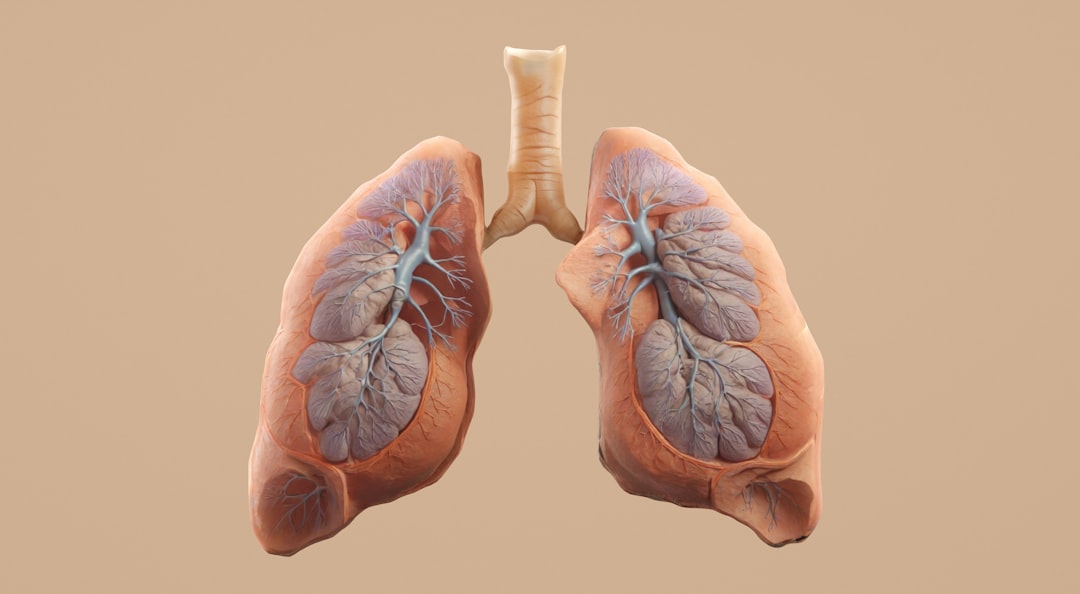
What Does It Mean to Improve Lung Health?
Improving lung health refers to adopting habits and routines that support your respiratory system's natural ability to function efficiently. This includes strengthening breathing muscles, reducing exposure to irritants, and maintaining good overall health. It is not about curing serious conditions on your own, but rather about giving your lungs the best possible environment to work well. Many people search for ways to improve lung health because they notice shortness of breath, want to boost athletic performance, or hope to reduce the risk of respiratory issues over time.
Why People Search for Ways to Improve Lung Health
There are several common reasons why individuals look for lung health advice. Some people have a family history of respiratory conditions, while others live in areas with poor air quality. Smokers or former smokers often want to support lung recovery. Athletes and active individuals may seek to increase their endurance. Additionally, seasonal allergies or mild asthma can motivate someone to explore gentle breathing exercises. Whatever your personal reason, understanding the basics can help you make informed choices.
- Concerns about pollution or indoor air quality
- Recovery after a respiratory illness
- Desire to improve exercise performance
- Interest in reducing stress through better breathing
Common Lifestyle Factors That Support Lung Health
Your daily habits play a major role in how your lungs function. While results are not guaranteed for everyone, certain practices are widely recommended by health professionals. These include staying active, avoiding smoking, and managing your environment.
Regular physical activity helps strengthen your diaphragm and other breathing muscles. Even moderate walking or stretching can make a difference. Avoiding tobacco smoke is one of the most important steps you can take. If you smoke, options to quit may vary, but support is available in many areas. Indoor air quality matters too—using air purifiers, keeping humidity balanced, and reducing dust can help reduce lung irritation.
Breathing Exercises You Can Try at Home
Simple breathing techniques may help improve how efficiently your lungs work. These exercises are safe for most people, but check with your doctor if you have a medical condition. Here are two common methods:
- Diaphragmatic breathing: Sit or lie down comfortably. Place one hand on your chest and the other on your belly. Breathe in slowly through your nose, letting your belly rise. Exhale gently through your mouth. Repeat for a few minutes daily.
- Pursed-lip breathing: Inhale slowly through your nose. Pucker your lips as if you are about to whistle. Exhale slowly through your pursed lips. This can help keep airways open longer.
These exercises are not a cure for serious lung disease, but they may help you feel more in control of your breathing. Consistency is more important than intensity.
Nutrition and Hydration for Respiratory Wellness
What you eat and drink can influence your lung function. While no single food guarantees improvement, a balanced diet may support overall respiratory health. Foods rich in antioxidants—such as berries, leafy greens, and nuts—may help reduce inflammation. Omega-3 fatty acids found in fish like salmon are also considered beneficial.
Hydration is equally important. Water helps keep the mucus in your lungs thin and easier to clear. Aim for adequate fluid intake daily, but requirements may apply based on your activity level and climate. Avoid excessive salt and processed foods, which can contribute to fluid retention and discomfort for some individuals.
Common Mistakes to Avoid When Trying to Improve Lung Health
Many people unintentionally do things that can hinder their lung health efforts. Being aware of these pitfalls can save you time and frustration.
- Relying on quick fixes: Products that promise instant lung improvement are often exaggerated. True progress takes time and consistent habits.
- Ignoring symptoms: If you experience persistent coughing, wheezing, or chest tightness, see a healthcare professional. Self-care is not a substitute for medical advice.
- Overdoing breathing exercises: Pushing too hard can cause dizziness or discomfort. Start slowly and increase gradually.
- Neglecting indoor air quality: Even if you exercise and eat well, breathing polluted air at home can counteract your efforts. Check your environment for mold, dust, and chemical fumes.
What to Do Next: Simple Steps to Get Started
If you are ready to take action, begin with one or two small changes. You do not need to overhaul your entire routine overnight. Here is a practical checklist:
- Talk to your doctor before starting any new exercise or breathing program, especially if you have a pre-existing condition.
- Identify one area of your home where you can improve air quality, such as adding a plant or using a vacuum with a HEPA filter.
- Try a breathing exercise for 2–3 minutes each morning.
- Replace one processed snack with a piece of fruit or a handful of nuts.
- Track how you feel over a few weeks—note any changes in your energy or breathing.
Remember, results are not guaranteed and may vary. The goal is to build sustainable habits that feel manageable for your lifestyle.
1. Can lung health really be improved after years of smoking?
The body has a remarkable ability to repair itself after quitting smoking. While damage cannot always be fully reversed, many people experience improved breathing and reduced coughing over time. Support options may vary based on your location and health status.
2. Are there any foods that directly improve lung function?
No single food can guarantee improved lung function. However, a diet rich in fruits, vegetables, whole grains, and healthy fats may support overall respiratory health. Antioxidants and anti-inflammatory compounds are generally considered beneficial.
3. How often should I do breathing exercises?
Most people can safely practice breathing exercises for 5 to 10 minutes daily. Starting slowly is recommended. If you feel dizzy or uncomfortable, reduce the duration and consult a healthcare professional if symptoms persist.
4. Can air purifiers really help with lung health?
Air purifiers with HEPA filters may help reduce airborne particles such as dust, pollen, and pet dander. This can be helpful for people with allergies or asthma. However, they are not a medical device and cannot treat lung disease. Effectiveness may vary depending on room size and filter quality.
5. Is it safe to exercise if I have mild breathing issues?
Light to moderate exercise is often safe and may even be beneficial for lung health. However, you should check with your doctor before starting any new activity. Some exercises, such as swimming or walking, may be easier on the lungs than high-intensity workouts. Listen to your body and stop if you experience pain or severe shortness of breath.
Related Searches
- natural ways to strengthen lungs
- best foods for respiratory health
- breathing exercises for better oxygen flow
- how to clean lungs naturally
- lung health tips for seniors
- improve lung capacity after smoking
- indoor plants that help with breathing
- signs of weak lung function