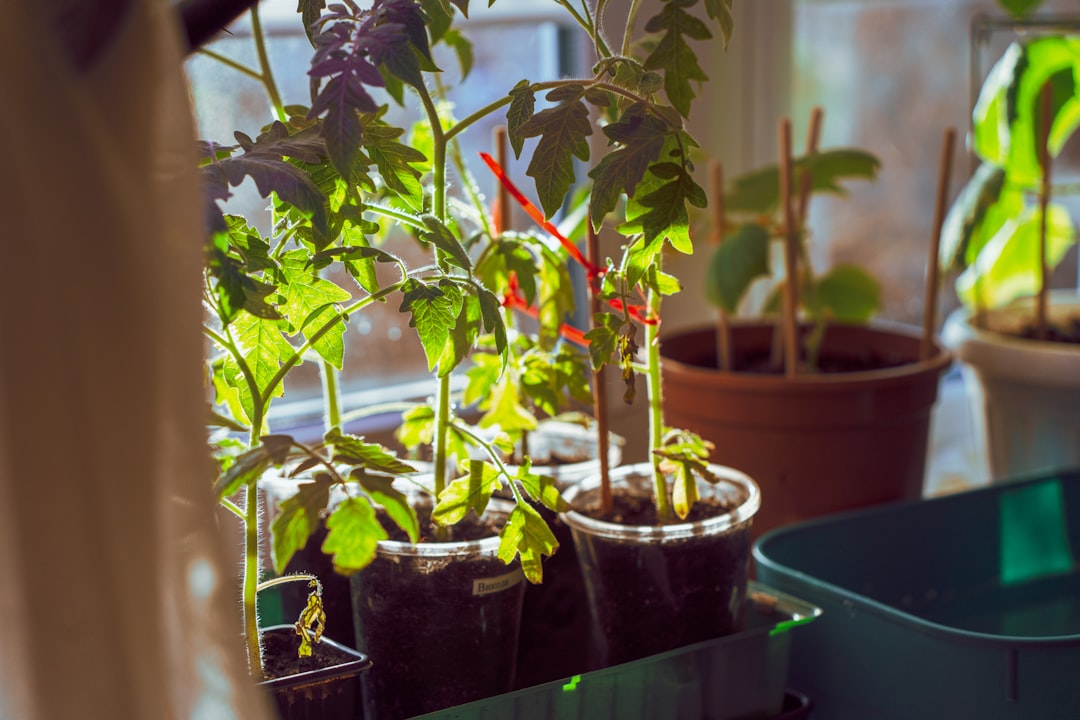
What Does It Mean to Grow Herbs Indoors?
Growing herbs indoors means cultivating edible plants inside your home, typically in containers on a windowsill, countertop, or under artificial lights. Unlike outdoor gardening, indoor herb growing requires careful attention to light, water, and temperature because the environment is more controlled. Many people choose this method to have fresh herbs available for cooking, teas, or garnishes throughout the year. It is a practical hobby that can be adapted to small spaces, but results may vary based on your specific conditions and the herb varieties you select.
Why People Search for Indoor Herb Gardening
There are several common reasons why someone might look up how to grow herbs indoors. These include:
- Year-round access: Fresh herbs can be expensive or unavailable in stores during winter months.
- Space limitations: Apartment dwellers or those without a yard often turn to indoor gardening.
- Cost savings: Growing your own herbs can reduce grocery bills over time, though initial setup costs may apply.
- Control over quality: You can avoid pesticides and choose organic soil and seeds.
- Convenience: Snip what you need directly from your kitchen.
Understanding these motivations can help you decide if indoor herb gardening fits your lifestyle. Results are not guaranteed, but with consistent care, many people find it a satisfying activity.
Common Requirements for Growing Herbs Indoors
To get started, you will need a few basic supplies. Requirements may vary depending on the herb type and your home environment. Here are the essential factors:
- Light: Most herbs need at least 4–6 hours of direct sunlight per day. A south-facing window is ideal. If natural light is limited, full-spectrum grow lights can be used as a supplement.
- Containers: Use pots with drainage holes to prevent waterlogging. Size depends on the herb, but 4–6 inch pots work for most small herbs.
- Soil: A well-draining potting mix designed for indoor plants is recommended. Avoid garden soil, which may compact or contain pests.
- Water: Water when the top inch of soil feels dry. Overwatering is a common mistake that can lead to root rot.
- Temperature: Most herbs prefer daytime temperatures between 65–75°F (18–24°C) and slightly cooler nights.
- Humidity: Indoor air can be dry, especially in winter. Misting plants or placing a tray of water nearby can help.
Keep in mind that these are general guidelines. Your specific conditions may affect how your herbs grow, and some varieties may be more forgiving than others.
How to Check Available Options for Indoor Herb Kits
If you are new to indoor gardening, you may want to explore pre-made herb kits or start from seeds. Here is how to check your options:
- Online retailers: Search for indoor herb garden kits that include pots, soil, seeds, and instructions. Options may vary by region and availability.
- Local garden centers: Visit nearby nurseries or hardware stores to see what herbs are in stock. Staff can often offer advice based on your local climate.
- Seed catalogs: Many companies sell herb seeds specifically for indoor growing. Check the label for indoor suitability.
- DIY approach: You can also repurpose containers from your kitchen (e.g., yogurt cups with drainage holes) and use store-bought potting mix and seeds.
Be aware that not all kits or seeds are created equal. Some may require more light or care than advertised. Always read reviews and verify requirements before purchasing.
Common Mistakes to Avoid When Growing Herbs Indoors
Even experienced gardeners can run into issues. Here are common pitfalls and how to avoid them:
- Overwatering: This is the number one cause of indoor herb death. Let the soil dry out between waterings. Check with your finger before adding water.
- Insufficient light: Herbs that become leggy or pale are likely not getting enough light. Consider moving them to a brighter spot or using a grow light.
- Poor drainage: Without drainage holes, roots can rot. Always use pots with holes and a saucer to catch excess water.
- Harvesting too much too soon: Allow herbs to establish before taking large cuttings. Never remove more than one-third of the plant at a time.
- Ignoring pests: Indoor plants can attract aphids, spider mites, or fungus gnats. Inspect leaves regularly and treat with insecticidal soap if needed.
- Using the wrong soil: Heavy or compacted soil can suffocate roots. Stick to a light, well-draining mix.
Mistakes are part of the learning process. Adjust your approach as you observe your plants’ responses.
What to Do Next After Starting Your Indoor Herb Garden
Once you have planted your herbs, ongoing care is key. Here is a simple routine to follow:
- Monitor daily: Check soil moisture, light exposure, and leaf health. Rotate pots every few days to ensure even growth.
- Fertilize lightly: Use a diluted, balanced liquid fertilizer every 2–4 weeks during the growing season. Avoid over-fertilizing, which can harm plants.
- Prune regularly: Pinch off flower buds to encourage leaf growth. Harvest leaves from the top down to promote bushiness.
- Re-pot when needed: If roots outgrow the pot, move to a slightly larger container. This may be necessary every 6–12 months.
- Adjust for seasons: In winter, days are shorter, so you may need to supplement with grow lights or reduce watering.
Remember that results are not guaranteed, and some herbs may thrive while others struggle. Experiment with different varieties to see what works best in your home.
FAQ: Growing Herbs Indoors
What are the easiest herbs to grow indoors?
Some of the most forgiving herbs for indoor growing include basil, chives, mint, parsley, and oregano. These herbs tend to adapt well to container life and require less precise conditions than more delicate varieties like cilantro or dill. However, results may vary based on your light and care.
How much light do indoor herbs really need?
Most culinary herbs need at least 4–6 hours of direct sunlight daily. If natural light is not available, use full-spectrum LED grow lights positioned 2–4 inches above the plants for 12–16 hours per day. Insufficient light is a common reason for poor growth.
Can I grow herbs indoors without a sunny window?
Yes, but you will likely need artificial grow lights. Without adequate light, herbs may become leggy, pale, or fail to thrive. Full-spectrum lights that mimic sunlight are widely available and can be used on a timer. Options may vary by budget and space.
How often should I water indoor herbs?
Watering frequency depends on the herb, pot size, humidity, and temperature. A general rule is to water when the top inch of soil feels dry to the touch. Overwatering is more harmful than underwatering, so err on the side of caution. Check your plants every 2–3 days.
Why are my indoor herbs dying?
Common causes include overwatering, insufficient light, poor drainage, or pest infestations. Review your care routine and adjust one factor at a time. Not all plants can be saved, but many can recover with proper attention. If you are unsure, consult a local gardening resource or online community for advice.
Related Searches
- best herbs to grow indoors for beginners
- indoor herb garden kit with grow light
- how to keep herbs alive indoors in winter
- growing basil indoors from seed
- small space herb garden ideas
- herbs that grow well in low light indoors
- DIY indoor herb garden on a budget
- common pests on indoor herb plants and solutions