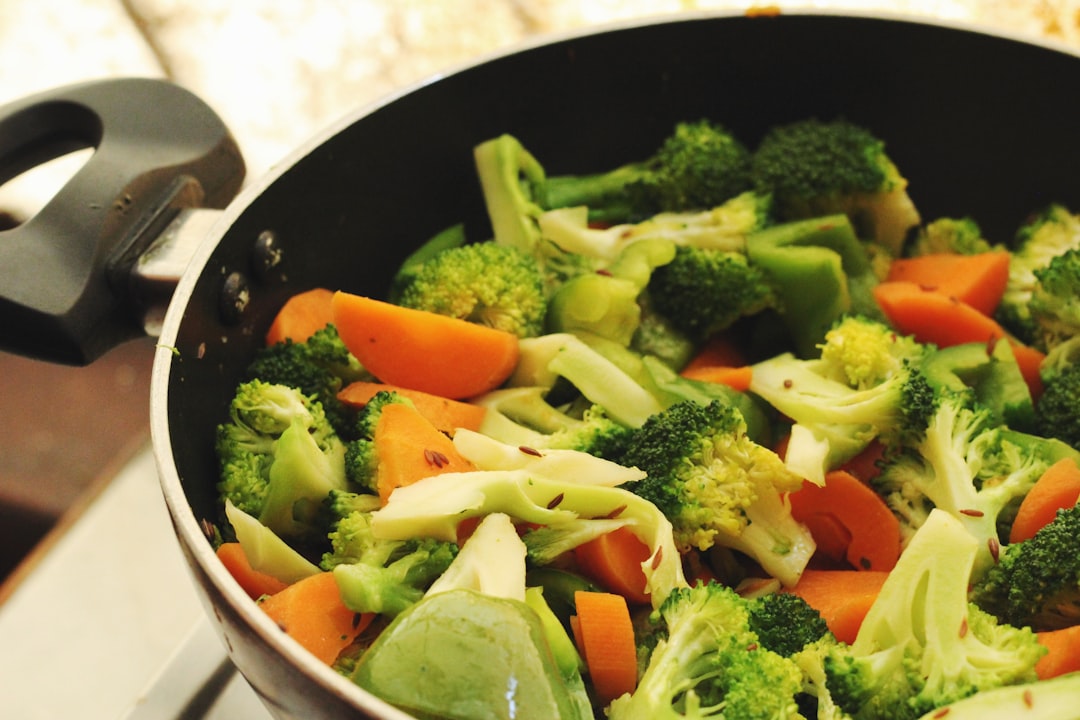
Why Nutrient Loss Happens During Cooking
Vegetables are packed with water-soluble vitamins like vitamin C and B vitamins, as well as minerals and antioxidants. Heat, water, and cooking time all play a role in how many nutrients stay in your food. When you boil vegetables, some vitamins leach into the cooking water. High heat can also break down certain compounds. Understanding these factors helps you choose methods that preserve more of what’s naturally in your vegetables.
The goal is not to avoid all nutrient loss—some cooking actually makes certain nutrients easier to absorb, like lycopene in tomatoes. Instead, aim for balance: cook enough to improve taste and digestibility, but not so much that you lose the benefits.
Best Cooking Methods to Keep Nutrients Intact
Different techniques affect vegetables in unique ways. Here are some of the most nutrient-friendly options:
- Steaming: This method uses gentle heat and minimal water, which reduces vitamin loss. Steaming for 3–5 minutes often works well for broccoli, carrots, and green beans.
- Sautéing or stir-frying: Quick cooking over medium-high heat with a small amount of oil can preserve nutrients. The short cooking time limits heat exposure.
- Roasting: Dry heat in the oven concentrates flavors and can retain nutrients well, especially for root vegetables like sweet potatoes and beets.
- Microwaving: Because cooking times are short and little water is needed, microwaving may help keep more vitamins than boiling.
- Blanching: Briefly boiling then plunging into ice water can preserve color and nutrients, though some water-soluble vitamins may still be lost.
Each method has its strengths. For example, steaming is often recommended for leafy greens, while roasting works better for denser vegetables.
Why People Search for This Topic
Many home cooks want to eat healthier but worry that cooking destroys the nutrients they paid for. This concern is common among people managing diets for weight loss, chronic conditions, or general wellness. Others search because they notice vegetables taste bland after boiling and hope to improve both flavor and nutrition. The key is to find methods that balance convenience, taste, and nutrient retention.
Some people also look for ways to reduce food waste. If you boil vegetables and discard the water, you lose water-soluble vitamins. Using the cooking liquid in soups or sauces is one way to recover some of those nutrients.
Common Mistakes That Reduce Nutrient Content
Even with good intentions, certain habits can lower the nutritional value of your vegetables. Avoiding these mistakes may help:
- Overcooking: Leaving vegetables in boiling water for too long breaks down vitamins. Check for doneness early—tender-crisp is often better than mushy.
- Using too much water: Boiling in large amounts of water increases leaching. Use just enough water to cover the vegetables, or switch to methods that use less water.
- Peeling when not needed: Many nutrients are concentrated in the skin. Scrubbing vegetables like potatoes or carrots instead of peeling can retain more fiber and vitamins.
- Cutting vegetables too small: More surface area means more nutrient loss during cooking. Cut vegetables into larger pieces when possible.
- Adding baking soda: Some people add baking soda to preserve green color, but this destroys vitamin C and thiamine. Avoid this practice.
Small adjustments to your routine can make a noticeable difference over time.
How to Check What Works for Your Vegetables
Not all vegetables respond the same way to cooking methods. For instance, spinach loses volume quickly and benefits from quick steaming or sautéing. Broccoli retains more nutrients when steamed rather than boiled. Carrots actually release more beta-carotene when cooked lightly. To find what works best for you, consider these steps:
- Research specific vegetables you cook often. Simple online searches can show recommended cooking times and methods.
- Experiment with one method at a time. Compare how vegetables taste and feel after steaming versus roasting.
- Pay attention to color and texture. Bright colors and a slight crunch often indicate better nutrient retention.
- Keep notes on what your family prefers. If a method makes vegetables more appealing, it may lead to eating more of them overall.
There is no single perfect method, so personal preference and convenience matter too.
What to Do Next: Simple Steps for Your Kitchen
If you want to start cooking vegetables with more nutrients, try these actionable tips:
- Invest in a steamer basket or microwave-safe steamer. These are inexpensive and easy to use.
- Save vegetable cooking water for soups, stews, or rice. This recovers some lost vitamins.
- Cook vegetables whole or in large pieces when possible. Cut them after cooking if needed.
- Use healthy fats like olive oil when sautéing. Some vitamins are fat-soluble and benefit from a little oil.
- Don’t overcook frozen vegetables. They are often blanched before freezing, so they need less cooking time.
- Try raw vegetables in salads or as snacks. Some nutrients are best consumed without any heat.
Remember, the best method is one you can stick with consistently. Even small improvements add up over time.
Common Misconceptions About Cooking and Nutrients
Several myths circulate about cooking vegetables. Here are a few clarifications:
- Myth: Raw vegetables are always more nutritious. While raw produce has more vitamin C, cooking can make other nutrients like lycopene and beta-carotene more available.
- Myth: Microwaving destroys nutrients. Short cooking times and minimal water often make microwaving a good choice for nutrient retention.
- Myth: You should never boil vegetables. Boiling can cause losses, but if you use the cooking liquid in another dish, you can still benefit from the nutrients.
- Myth: All nutrients are lost with heat. Many minerals like potassium and magnesium are stable during cooking. Only certain vitamins are sensitive to heat.
Understanding these facts can help you make informed choices without unnecessary stress.
Frequently Asked Questions
Does steaming vegetables really keep more nutrients than boiling?
Steaming generally preserves more water-soluble vitamins because the vegetables are not submerged in water. However, results may vary depending on the vegetable and cooking time. Steaming for short periods is often a good option.
Can I cook vegetables in the microwave without losing nutrients?
Yes, microwaving can be a nutrient-friendly method because it uses short cooking times and little water. Use a microwave-safe dish with a cover to trap steam, and avoid overcooking.
Is it better to eat vegetables raw or cooked for maximum nutrition?
Both raw and cooked vegetables have benefits. Raw vegetables retain more vitamin C, while cooking can enhance the availability of certain antioxidants. Eating a mix of raw and cooked vegetables is a balanced approach.
What is the best way to cook broccoli to keep nutrients?
Steaming broccoli for 3–5 minutes is often recommended. Avoid boiling for long periods, as this can reduce vitamin C and other nutrients. Roasting at moderate temperatures is also a good option.
Do frozen vegetables lose nutrients during cooking?
Frozen vegetables are typically blanched before freezing, which may cause some nutrient loss. However, they are often frozen quickly after harvest, which can preserve nutrients well. Cook them briefly to avoid additional losses.
Related Searches
- best way to cook vegetables for maximum nutrition
- how to steam vegetables without losing vitamins
- nutrient retention in cooking methods comparison
- does roasting vegetables destroy nutrients
- healthy vegetable cooking techniques for beginners
- water soluble vitamins and cooking tips
- how to cook leafy greens without losing nutrients
- microwave vs stovetop for vegetable nutrition