What Does “Perfectly Cooked Chicken” Mean?
Perfectly cooked chicken is moist on the inside, golden or lightly charred on the outside, and cooked to a safe internal temperature. It should not be rubbery, dry, or undercooked. The goal is to retain natural juices while ensuring the meat is fully cooked through.
Different cuts—like breasts, thighs, drumsticks, or whole chicken—require slightly different cooking times and methods. Understanding these differences helps you adjust your approach for the best outcome.
Why People Search for the Best Chicken Cooking Methods
Many home cooks struggle with chicken because it’s easy to overcook or undercook. Common frustrations include dry breast meat, uneven cooking, or bland flavor. Searching for “how to cook chicken perfectly” usually comes from a desire to improve everyday meals without complicated steps.
People also look for methods that save time, reduce mess, or work with simple ingredients. Whether you’re meal prepping or cooking for guests, reliable techniques make a noticeable difference.
Essential Steps Before You Start Cooking
Preparation plays a big role in final results. Here are key steps to follow before heat touches the chicken:
- Pat dry with paper towels: Removing excess moisture helps achieve a better sear and crispy skin.
- Season generously: Salt at least 30 minutes before cooking (or up to overnight) for deeper flavor.
- Bring to room temperature: Let chicken sit out for 15–20 minutes before cooking to promote even cooking.
- Use a meat thermometer: This is the most reliable tool to avoid guesswork. Chicken is safe at 165°F (74°C) for breasts, and thighs can be cooked to 175°F for tenderness.
- Choose the right pan: A heavy skillet or oven-safe pan distributes heat evenly.
Popular Methods for Cooking Chicken Perfectly
Each method works well for different cuts and preferences. Below are four common techniques with simple guidelines.
Pan-Searing (Best for Boneless Breasts and Thighs)
Heat a tablespoon of oil in a skillet over medium-high heat. Place the chicken in the pan and cook without moving it for 5–7 minutes, until the bottom is golden brown. Flip and cook another 5–7 minutes, checking internal temperature. Let rest for 5 minutes before slicing.
Baking (Best for Bone-In Pieces or Whole Chicken)
Preheat oven to 400°F (200°C). Place seasoned chicken on a baking sheet or in a dish. Bake until the thickest part reaches 165°F. For bone-in thighs or drumsticks, this usually takes 35–45 minutes. For a whole chicken, allow about 20 minutes per pound.
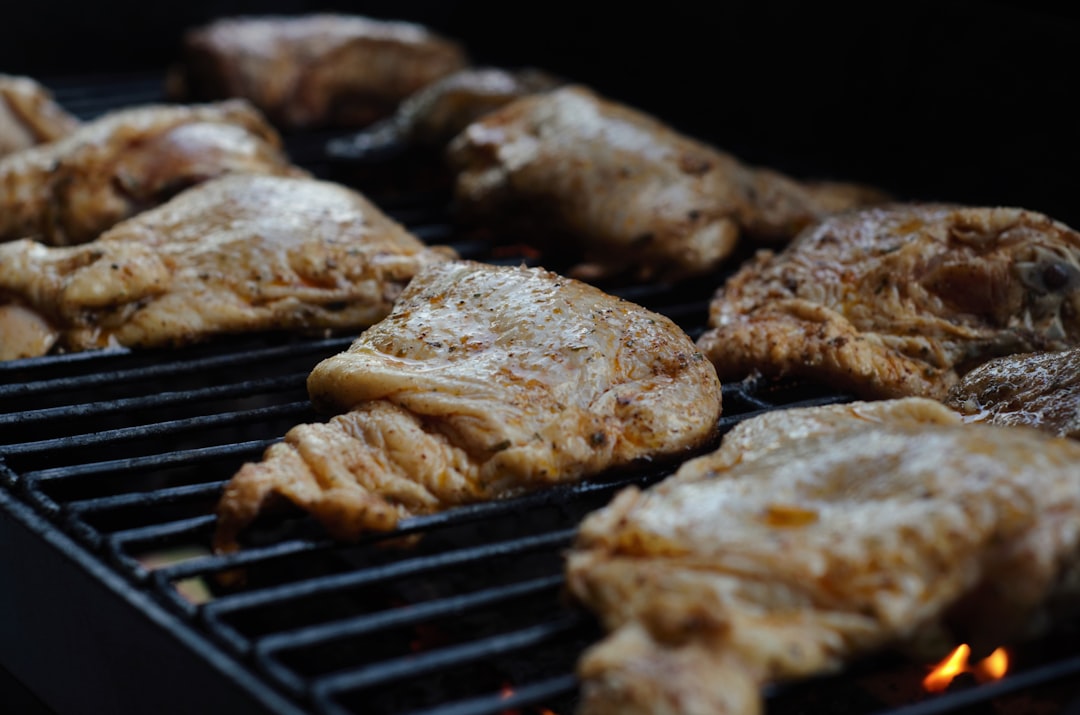
Grilling (Best for Skin-On Breasts, Thighs, or Drumsticks)
Preheat grill to medium heat (around 375–400°F). Oil the grates lightly. Place chicken on the grill and cook 6–8 minutes per side, flipping once. Use a thermometer to confirm doneness. Let rest 5 minutes before serving.
Poaching (Best for Shredded Chicken or Salads)
Place chicken breasts in a pot and cover with broth or water. Add aromatics like garlic, bay leaf, or peppercorns. Bring to a gentle simmer, then reduce heat to low. Cook 15–20 minutes until internal temperature reaches 165°F. Shred or slice as needed.
Common Mistakes to Avoid
Even experienced cooks sometimes run into issues. Here are frequent pitfalls and how to avoid them:
- Overcrowding the pan: Too much chicken at once lowers the pan temperature and causes steaming instead of browning. Cook in batches if needed.
- Skipping the rest time: Cutting chicken immediately after cooking releases juices. Let it rest 5–10 minutes under foil.
- Using high heat for thick cuts: High heat can burn the outside before the inside cooks through. Medium heat is usually better for thicker pieces.
- Not checking temperature in the thickest part: Insert the thermometer into the thickest area, avoiding bone, for an accurate reading.
- Under-seasoning: Chicken benefits from salt, pepper, and complementary spices. Taste and adjust seasoning as you go.
How to Tell When Chicken Is Done Without a Thermometer
While a thermometer is the most accurate method, you can also check by piercing the thickest part with a knife or fork. The juices should run clear, not pink. The meat should feel firm but still springy. For bone-in pieces, the meat near the bone should no longer be pink.
Keep in mind that visual cues alone are not always reliable. If you’re unsure, a thermometer is the safest option. Results are not guaranteed with visual checks alone, but they provide a helpful guideline.
What to Do Next After Cooking
Once your chicken is cooked perfectly, you have several options:
- Slice and serve immediately: Pair with vegetables, rice, or salad for a complete meal.
- Store leftovers properly: Cool chicken within two hours and refrigerate in an airtight container for up to four days.
- Repurpose for other dishes: Shred or dice cooked chicken for tacos, sandwiches, soups, or salads.
- Freeze for later: Cooked chicken freezes well for up to three months. Thaw in the refrigerator before reheating.
- Reheat gently: To avoid drying out, reheat in a covered pan with a splash of broth or water, or in the microwave with a damp paper towel.
Always check the condition of leftovers before eating. Options may vary depending on how the chicken was stored and how long it has been kept.
Frequently Asked Questions
How long should I cook chicken breast in the oven at 400°F?
Boneless, skinless chicken breasts typically take 20–25 minutes at 400°F. Bone-in breasts may take 30–40 minutes. Always verify with a thermometer to ensure the internal temperature reaches 165°F.
Can I cook chicken from frozen?
Yes, but it will take about 50% longer than thawed chicken. Use a lower oven temperature (around 375°F) and check the internal temperature carefully. For best texture and even cooking, thawing in the refrigerator overnight is recommended.
What is the best oil for cooking chicken?
Oils with a high smoke point work well, such as avocado oil, vegetable oil, canola oil, or light olive oil. Extra virgin olive oil can be used for lower-heat methods like baking or poaching.
How do I keep chicken from drying out when reheating?
Add a small amount of liquid (broth, water, or sauce) to the pan or dish before reheating. Cover with a lid or foil to trap steam. Reheat on low to medium heat, stirring or flipping occasionally, until warmed through.
Is it safe to eat chicken that is slightly pink near the bone?
Pinkness near the bone can sometimes occur even when the chicken is fully cooked, especially in younger birds. The safest way to confirm doneness is with a meat thermometer. If the internal temperature has reached 165°F (74°C), the chicken is safe to eat.
Related Searches
- best temperature to cook chicken breast
- how to grill chicken without drying it out
- easy baked chicken thigh recipe
- chicken cooking times by cut
- how to season chicken for maximum flavor
- difference between roasting and baking chicken
- quick chicken dinner ideas for beginners
- how to tell if chicken is done without a thermometer