Why South America Should Be on Your Travel List
South America offers a stunning mix of natural wonders, vibrant cities, and rich cultural traditions. From the towering peaks of the Andes to the lush Amazon rainforest, the variety is unmatched. Many travelers are drawn by the chance to see ancient ruins, taste unique cuisines, and experience festivals that are unlike anywhere else.
Before you book, it helps to know that travel conditions vary widely by country. Some destinations are well set up for tourists, while others require more planning. The goal is to match your interests—whether that’s hiking, history, or beach relaxation—with a destination that fits your comfort level and budget.
Machu Picchu, Peru: A Classic for a Reason
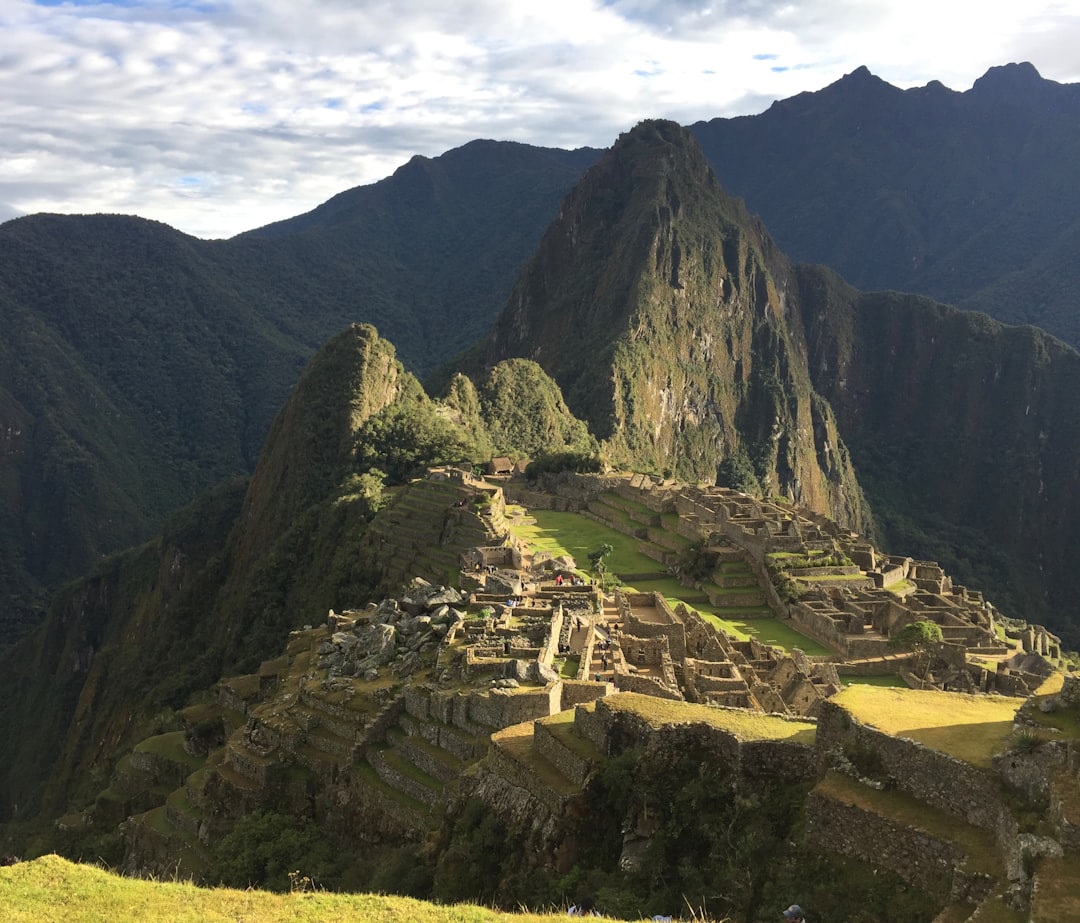
Machu Picchu remains one of the most iconic places to visit in South America. This 15th-century Inca citadel sits high in the Andes and offers breathtaking views. Most visitors arrive via train from Cusco, but the Inca Trail is a popular multi-day hike for those who want a more immersive experience.
Keep in mind that permits for the Inca Trail sell out months in advance. If you miss out, alternative treks like the Salkantay or Lares routes are also excellent. Entry tickets to Machu Picchu itself should be booked ahead of time, as daily visitor limits apply. Your experience may vary depending on the season, with dry months (May to September) offering clearer skies but larger crowds.
- Best for: History lovers, hikers, photographers
- Tip: Acclimatize in Cusco for a day or two before heading up
- Requirements: Advance booking required for trail permits and entry tickets
Buenos Aires, Argentina: The Paris of South America
Buenos Aires blends European architecture with Latin American energy. Neighborhoods like Palermo, San Telmo, and La Boca each have their own character, from trendy cafes to tango street performances. The city is also a gateway to other parts of Argentina, including the wine region of Mendoza and the Iguazú Falls.
Travelers often enjoy the affordable dining scene and the wide variety of cultural events. The weather is mild in spring and fall, making those seasons ideal for walking tours. Keep in mind that exchange rates can fluctuate, so it’s wise to check current rates before exchanging money. Options may vary depending on where you exchange, and some areas may have different rates for cash versus card payments.
Rio de Janeiro, Brazil: Nature Meets Urban Energy
Rio de Janeiro is famous for its beaches, carnival celebrations, and iconic landmarks like Christ the Redeemer and Sugarloaf Mountain. The city offers a lively atmosphere with plenty of outdoor activities, from hiking in Tijuca Forest to relaxing on Copacabana and Ipanema beaches.
Safety is a common concern for visitors, so it’s best to stay in well-trafficked areas, avoid walking alone at night, and keep valuables out of sight. Many travelers find Rio rewarding when they take basic precautions. The best time to visit is between December and March for warm weather, though this is also peak season with higher prices.
- Best for: Beach lovers, partygoers, nature enthusiasts
- Tip: Use ride-sharing apps instead of hailing taxis on the street
- Note: Visa requirements may apply for some nationalities; check your status before booking
Cartagena, Colombia: Colonial Charm and Caribbean Vibes
Cartagena’s old town is a UNESCO World Heritage site, known for its colorful colonial buildings, cobblestone streets, and lively plazas. The city also serves as a base for exploring nearby islands like Isla Barú and the Rosario Islands, where you can find white-sand beaches and clear water.
The climate is warm year-round, with a dry season from December to April. Many visitors enjoy walking tours, boat trips, and sampling local seafood. While Cartagena is generally safe for tourists, it’s still smart to stay aware of your surroundings, especially in crowded areas. Options for accommodations range from budget hostels to luxury boutique hotels, so requirements for your stay may vary based on your budget.
Patagonia, Chile and Argentina: For the Adventurous Spirit
Patagonia spans both Chile and Argentina, offering some of the most dramatic landscapes on the planet. Torres del Paine National Park in Chile and Los Glaciares National Park in Argentina are top draws, featuring glaciers, mountains, and vast steppes. Hiking is the main activity here, with trails that range from day hikes to multi-day treks.
Weather in Patagonia is unpredictable—strong winds and sudden rain are common, even in summer. The best months for visiting are October through March (Southern Hemisphere summer). Keep in mind that remote areas have limited services, so planning ahead is essential. Results are not guaranteed if you expect clear skies every day, but the raw beauty of the region makes it worth the effort.
- Best for: Hikers, photographers, nature lovers
- Tip: Book accommodations and park permits well in advance during peak season
- Note: Some trails may close due to weather; check local conditions before heading out
Galápagos Islands, Ecuador: A Wildlife Wonderland
The Galápagos Islands are a bucket-list destination for many travelers. This volcanic archipelago is famous for its unique wildlife, including giant tortoises, marine iguanas, and blue-footed boobies. Visitors typically explore by cruise or land-based tours, with each option offering a different experience.
Travel to the Galápagos requires a flight from mainland Ecuador (Quito or Guayaquil) and payment of a national park entry fee. The islands are protected, so guided tours are mandatory in most areas. The best time to visit depends on what you want to see—warmer months (December to May) have calmer seas, while cooler months (June to November) bring more active marine life. Options for tours may vary, and availability can be limited during holidays.
Common Mistakes to Avoid When Planning Your Trip
Many first-time visitors make a few common errors that can affect their experience. One mistake is trying to see too many countries in a short time. South America is large, and travel between cities can take longer than expected. It’s better to focus on one or two regions and explore them thoroughly.
Another mistake is underestimating altitude. Cities like Cusco, La Paz, and Quito sit at high elevations, and altitude sickness can affect anyone. Plan for rest days and stay hydrated. Also, don’t assume that credit cards are accepted everywhere—carry some local cash, especially in rural areas. Requirements for entry, such as visas or vaccinations, may apply depending on your nationality; always check your status before departure.
What to Do Next: Start Your Research
Once you have an idea of which destinations interest you, start digging into practical details. Look up flight routes, visa requirements, and recommended travel times. Read recent travel blogs and forums to get current advice from other travelers. Consider your own travel style—whether you prefer guided tours or independent exploration—and choose destinations that match.
Remember that travel conditions can change, so it’s smart to stay flexible. Booking refundable accommodations and travel insurance can give you peace of mind. The best places to visit in South America are those that align with your interests and comfort level, so take your time to plan a trip that feels right for you.
FAQ: Best Places to Visit in South America
Is South America safe for solo travelers?
Many solo travelers explore South America without major issues. Safety varies by city and neighborhood. Stick to well-reviewed areas, avoid walking alone at night, and keep your belongings secure. Some destinations, like Buenos Aires and Santiago, are generally considered safer for solo trips.
What is the best time of year to visit South America?
It depends on the region. For the Andes and Patagonia, the best time is during the Southern Hemisphere summer (October to March). For Brazil and Colombia, the dry season (December to April) is popular. The Amazon is best visited during the dry season (June to November) for easier wildlife spotting.
Do I need a visa to visit South America?
Visa requirements depend on your nationality and the country you are visiting. Many travelers from the US, Canada, and Europe can enter most South American countries without a visa for short stays. However, some countries like Brazil and Argentina have specific requirements. Always check your status with the embassy before booking.
How much does a trip to South America cost?
Costs vary widely. Budget travelers can spend around $30–$50 per day in countries like Bolivia or Peru, while Chile and Argentina can be more expensive. Flights between countries and to remote areas like the Galápagos can add significant cost. Planning ahead and traveling during shoulder seasons can help manage expenses.
What is the best way to get around South America?
Buses are the most common and affordable way to travel between cities in many countries. For longer distances, flights are available and often reasonably priced. In some regions, like Patagonia, renting a car offers more flexibility. Domestic flights within countries like Brazil and Argentina can save time but book early for better rates.
Related Searches
- top South America travel destinations
- best places to visit in South America for first-timers
- South America bucket list locations
- affordable travel destinations in South America
- South America travel tips and safety
- most beautiful places in South America
- South America honeymoon destinations
- things to do in South America for adventure travelers