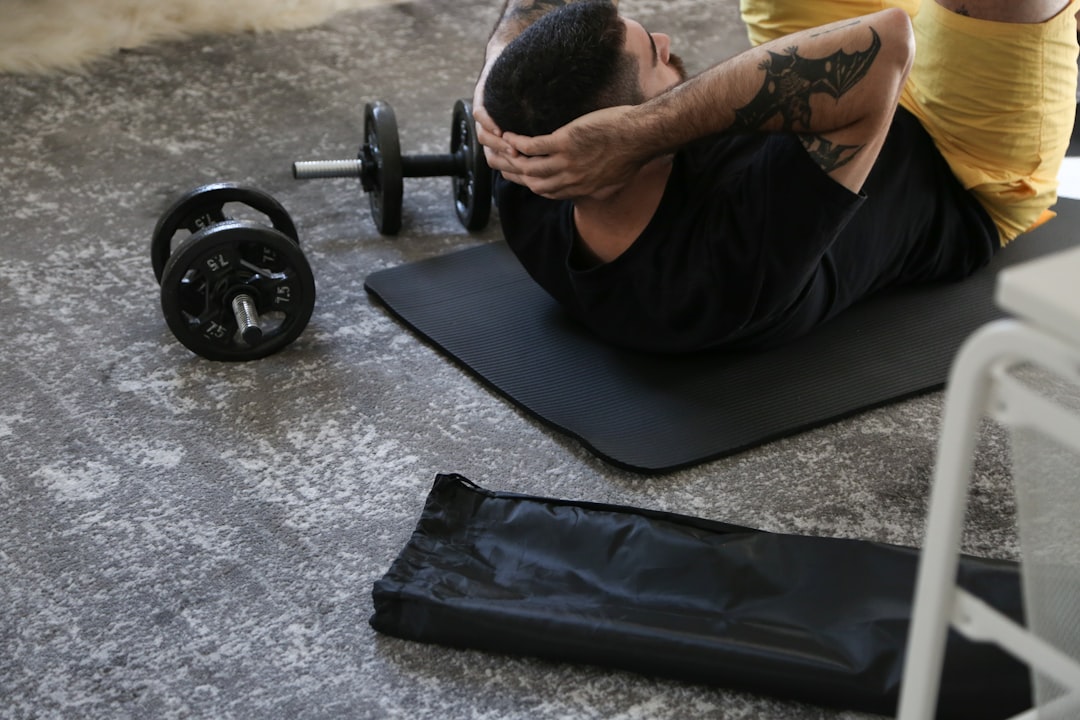
Understanding Why Exercise Helps with Back Pain
Back pain often stems from muscle tension, poor posture, weak core muscles, or stiffness in the spine and hips. When you move carefully and consistently, exercise can improve blood flow to sore tissues, increase flexibility, and build strength in areas that support your back. However, results are not guaranteed, and what works for one person may not work for another. The goal is not to “fix” pain overnight but to gradually build resilience and reduce the risk of future episodes.
Always listen to your body. If an exercise increases pain rather than easing it, stop immediately and consult a healthcare professional. Some causes of back pain—such as herniated discs, spinal stenosis, or fractures—require specific medical guidance.
Before You Start: Safety Tips for Exercising with Back Pain
Before beginning any exercise routine, check your status with your doctor or physical therapist, especially if your pain is severe, radiates down your legs, or follows an injury. Requirements may apply based on your medical history.
- Start slowly with low-impact movements. Avoid jerky or bouncing motions.
- Warm up for 3–5 minutes with gentle walking or arm circles.
- Stop any exercise that causes sharp, shooting, or worsening pain.
- Focus on maintaining neutral spine alignment—don’t arch or round your back excessively.
- Breathe steadily. Holding your breath can increase muscle tension.
These precautions help you stay safe while exploring options that may be beneficial for your specific situation.
Gentle Stretches to Relieve Lower Back Tension
Stretching can help release tight muscles in the lower back, hips, and hamstrings—areas that often contribute to pain. Try these beginner-friendly moves:
- Child’s Pose: Kneel on the floor, sit back on your heels, and extend your arms forward on the ground. Hold for 20–30 seconds. This gently stretches the lower back and hips.
- Knee-to-Chest Stretch: Lie on your back, pull one knee toward your chest, and hold for 15–20 seconds. Repeat on the other side. This eases lumbar tension.
- Cat-Cow Stretch: On hands and knees, alternate between arching your back upward (cat) and letting it dip toward the floor (cow). Move slowly with your breath for 30–60 seconds.
These stretches are generally safe for most people, but options may vary depending on your flexibility and pain level. If you feel any discomfort, reduce the range of motion.
Strengthening Exercises for Core and Back Support
A strong core acts like a natural brace for your spine. The best exercises for back pain often include gentle core activation rather than crunches or sit-ups, which can strain the back.
- Pelvic Tilts: Lie on your back with knees bent. Flatten your lower back against the floor by tilting your pelvis upward. Hold for 5 seconds and release. Repeat 10 times.
- Bird-Dog: On hands and knees, extend your right arm forward and left leg backward simultaneously. Hold for 3–5 seconds, then switch sides. This builds stability without loading the spine.
- Glute Bridges: Lie on your back with knees bent. Squeeze your glutes and lift your hips toward the ceiling. Lower slowly. This strengthens the glutes and lower back muscles.
Perform 8–10 repetitions per exercise, resting as needed. Do not rush. Consistency over several weeks may help reduce pain, though results are not guaranteed.
Low-Impact Aerobic Moves for Blood Flow and Mobility
Gentle aerobic activity can reduce stiffness and promote healing by increasing circulation. The best exercises for back pain in this category are easy on the joints:
- Walking: Start with 5–10 minutes on a flat surface. Gradually increase time as tolerated. Walking helps lubricate spinal joints and relaxes tight muscles.
- Water Exercise: Swimming or walking in a pool reduces gravity’s load on the spine. The buoyancy allows pain-free movement for many people.
- Stationary Cycling: Use a recumbent bike if upright cycling bothers your back. Keep resistance low and focus on smooth pedaling.
These activities may be available in some areas through local gyms or community centers. Check your eligibility for any programs that offer adaptive exercise classes.
Common Mistakes to Avoid When Exercising for Back Pain
Even well-intentioned exercise can aggravate back pain if done incorrectly. Avoid these common errors:
- Overdoing it: Pushing through sharp pain can worsen inflammation. Rest is part of recovery.
- Using poor form: Rounded lower back during stretches or lifts increases strain. Keep your spine neutral.
- Ignoring hip and hamstring tightness: Tight hips pull on the lower back. Include hip flexor stretches and hamstring stretches.
- Sticking to one type of exercise: A balanced routine combining stretching, strengthening, and aerobic work is more effective than focusing on just one.
- Skipping warm-ups and cool-downs: Cold muscles are more prone to injury. Always ease into and out of exercise.
If you’re unsure about your technique, consider working with a physical therapist. They can tailor movements to your needs and ensure you’re using safe patterns.
What to Do Next: Building a Sustainable Routine
After trying some of these exercises, pay attention to how your body responds. Keep a simple journal noting which movements feel helpful and which cause discomfort. Over time, you may be able to gradually increase repetitions or duration.
If your pain persists or worsens after several weeks of consistent, gentle exercise, consult a healthcare provider. They can help rule out underlying conditions and recommend treatments such as physical therapy, chiropractic care, or other options that may be suitable for your situation. Requirements may apply for insurance coverage or specialist referrals, so check your plan details.
Remember: the best exercises for back pain are those you can perform safely and consistently. There is no one-size-fits-all solution, and results are not guaranteed. But with patience and proper guidance, many people find meaningful relief.
Frequently Asked Questions
Can I exercise if my back pain is severe?
If your pain is severe or sudden, rest for a day or two and avoid any activity that worsens it. Gentle movement like walking may help, but check with a doctor first. Severe pain could indicate a more serious issue that requires medical attention.
How often should I do these exercises?
Most people can safely perform gentle stretches and strengthening exercises 3–5 times per week. Start with once daily if tolerated, and take rest days if you feel sore. Listen to your body—more is not always better.
Are there exercises I should avoid with back pain?
Yes. Avoid high-impact activities like running or jumping, heavy weightlifting that compresses the spine, and exercises that require deep twisting or bending (like toe touches or full sit-ups). Always modify movements to stay within a pain-free range.
How long will it take for exercise to help my back pain?
Results vary. Some people notice improvement within a few days, while others may need several weeks of consistent practice. If you see no change after 4–6 weeks, consult a professional. Factors like age, fitness level, and the cause of pain all play a role.
Should I see a doctor before starting back exercises?
It is generally recommended if you have persistent pain lasting more than a few weeks, pain that travels down your leg, numbness or tingling, or a history of spinal injury. A healthcare provider can rule out serious conditions and guide you toward safe options.
Related Searches
- exercises for lower back pain relief
- gentle stretches for back pain
- core strengthening exercises for back pain
- back pain treatment without medication
- yoga poses for back pain
- physical therapy exercises for back pain
- best sleeping positions for back pain
- how to prevent back pain with exercise