What Does High Blood Sugar Mean?
High blood sugar, also known as hyperglycemia, occurs when there is too much glucose circulating in your bloodstream. This happens when your body does not produce enough insulin or cannot use insulin effectively. While it is most commonly linked to diabetes, anyone can experience temporary spikes in blood sugar after eating a large meal or during times of stress.
Understanding the signs of high blood sugar is important because untreated hyperglycemia can lead to complications over time. Symptoms may vary from person to person, and some people may not notice any signs at all until levels become very high.
Why People Search for Signs of High Blood Sugar
Many people look up signs of high blood sugar because they notice changes in how they feel and want to understand what is happening. Common reasons include feeling unusually thirsty, tired, or needing to urinate more often. Others may have a family history of diabetes or have been told by a doctor that they are at risk.
Searching for this information is a smart first step. However, it is important to remember that only a healthcare professional can diagnose high blood sugar or diabetes. The signs listed here are general indicators, and your personal experience may be different.
Common Signs and Symptoms to Watch For
Below are some of the most frequently reported signs of high blood sugar. If you notice several of these at once, it may be worth checking your blood sugar levels or consulting a doctor.
- Increased thirst (polydipsia): Feeling extremely thirsty even after drinking water is one of the earliest signs. Your body tries to dilute the excess sugar by pulling fluid from your tissues.
- Frequent urination (polyuria): As your kidneys work harder to filter and remove excess glucose, you may find yourself visiting the bathroom more often, especially at night.
- Blurry vision: High glucose levels can cause fluid to shift in the lenses of your eyes, making your vision appear unclear or fuzzy.
- Fatigue: When your cells cannot use glucose for energy properly, you may feel tired or sluggish even after rest.
- Dry mouth and skin: Dehydration from frequent urination can leave your mouth and skin feeling dry.
- Headaches: Mild to moderate headaches can occur as your body reacts to changes in blood sugar levels.
- Slow-healing cuts or infections: High blood sugar can affect circulation and immune function, making it harder for minor wounds to heal.
- Nerve discomfort: Some people notice tingling, numbness, or a burning sensation in their hands or feet.
- Increased hunger (polyphagia): Despite eating, you may still feel hungry because your cells are not getting the energy they need.
- Unexplained weight loss: In some cases, the body begins breaking down muscle and fat for energy when it cannot use glucose properly.
Keep in mind that these signs may also be caused by other conditions. Results are not guaranteed to mean you have diabetes, but they are worth discussing with a healthcare provider.
How to Check Your Blood Sugar Levels
If you suspect you have signs of high blood sugar, the most reliable way to confirm is through a blood test. Options may vary depending on your location and access to healthcare. Common methods include:
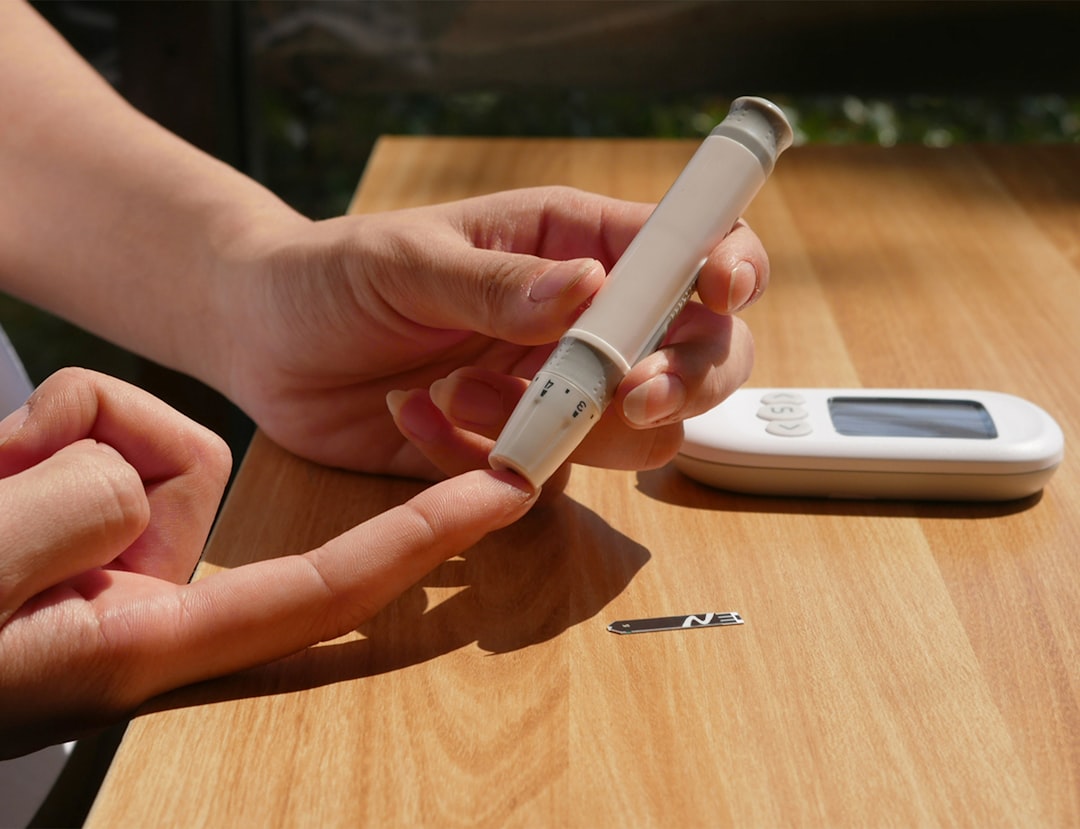
- Finger-stick test: A small device called a glucometer can give you a reading at home. You can purchase these at most pharmacies without a prescription.
- Lab blood test: A doctor can order a fasting blood glucose test or an A1C test, which measures your average blood sugar over the past two to three months.
- Continuous glucose monitor (CGM): This device tracks your levels throughout the day and is often used by people with diabetes. Availability may depend on your insurance or health plan.
Before testing at home, check your status with a healthcare professional to understand what normal ranges are for your age and health condition. Requirements may apply for certain testing supplies.
Common Mistakes to Avoid When Managing Blood Sugar
When people notice signs of high blood sugar, they sometimes try to fix the problem on their own without proper guidance. Here are some mistakes to avoid:
- Skipping meals: This can cause blood sugar to drop too low or spike later, depending on your body’s response.
- Overusing over-the-counter supplements: Many products claim to lower blood sugar, but results are not guaranteed and some may interact with medications.
- Ignoring symptoms: Mild signs can progress if left unchecked. Even if you feel okay, it is wise to get tested.
- Relying only on home tests: Home glucometers can be helpful, but they are not a substitute for professional lab work.
- Drinking sugary beverages: Drinks like soda, sweetened tea, or fruit juice can quickly raise blood sugar levels.
What to Do Next If You Notice These Signs
If you recognize several signs of high blood sugar in yourself, the next step is to speak with a healthcare provider. They can help determine whether your symptoms are related to blood sugar issues or another condition. In the meantime, you may consider:
- Drinking water instead of sugary drinks
- Eating balanced meals with protein, fiber, and healthy fats
- Getting light physical activity, such as walking, if your doctor approves
- Keeping a log of your symptoms and any home test results
Remember, available in some areas, there may be community health programs or free screening events that can help you check your blood sugar. Options may vary, so it is worth asking your local clinic or pharmacy.
Frequently Asked Questions
Can high blood sugar go away on its own?
In some cases, temporary spikes in blood sugar may return to normal without treatment, especially if caused by a large meal or stress. However, persistent high blood sugar usually requires lifestyle changes or medical management. Results are not guaranteed without proper care.
How often should I check my blood sugar if I have symptoms?
If you are not diagnosed with diabetes, it is best to consult a doctor before starting regular testing. They can advise how often to check based on your risk factors. Over-testing without guidance may lead to unnecessary worry.
Are signs of high blood sugar the same for everyone?
No, symptoms can vary widely. Some people may experience all of the common signs, while others may only notice one or two. Age, overall health, and how long blood sugar has been elevated can all affect which symptoms appear.
Can stress cause high blood sugar?
Yes, stress triggers the release of hormones like cortisol and adrenaline, which can raise blood sugar levels. This is a normal response, but chronic stress may contribute to ongoing high blood sugar in some individuals.
When should I go to the emergency room for high blood sugar?
Seek emergency care if you experience severe symptoms such as confusion, difficulty breathing, fruity-smelling breath, nausea with vomiting, or loss of consciousness. These could be signs of a serious condition called diabetic ketoacidosis (DKA), which requires immediate medical attention.
Related Searches
- early warning signs of diabetes
- how to lower blood sugar naturally
- normal blood sugar levels by age
- what causes high blood sugar in non-diabetics
- symptoms of low blood sugar vs high blood sugar
- blood sugar test at home without pricking
- best foods to eat to avoid blood sugar spikes
- when to see a doctor for high blood sugar